
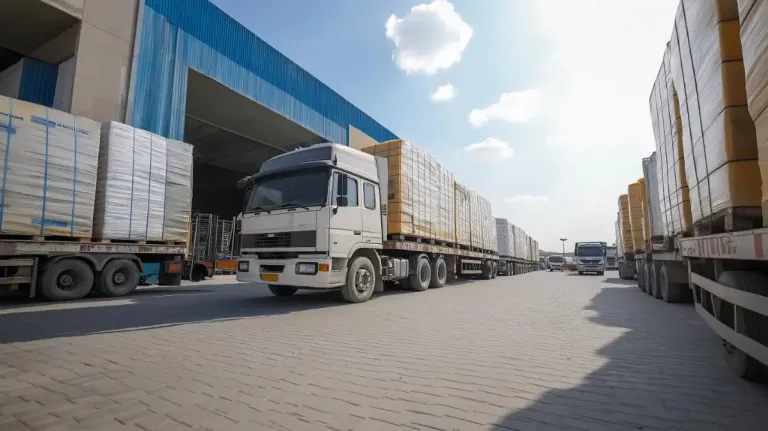
How to Improve Supply Chain Efficiency
Supply chain efficiency depends on how well a company can move materials, information, and products through the business without wasting time, labor, or cost. When processes are slow or disconnected, teams may carry more inventory than they need, spend more time correcting errors, or struggle to keep fulfillment moving at the pace customers expect.
For supply chain and operations leaders, efficiency is about more than cutting costs. It also depends on accurate inventory data, consistent workflows, reliable supplier coordination, and the ability to respond when demand or operating conditions change.
This article explores the key components of efficient supply chains, essential performance metrics, and the core drivers that influence supply chain efficiency. We’ll also cover practical ways to improve performance while balancing efficiency with resilience.
Understanding Supply Chain Efficiency
At its core, supply chain efficiency is about using resources, time, and technology effectively across the full supply chain. It looks at how well a company can source materials, manage inventory, coordinate production, move goods, and deliver orders without unnecessary waste or delay.
A truly efficient supply chain is characterized by three key elements:
- Process consistency: Workflows are clear enough for teams to follow across suppliers, warehouses, production sites, and transportation partners.
- Reliable operating data: Teams can make decisions using current information about inventory, demand, orders, and supply chain activity.
- Coordinated movement: Materials and finished goods move through the supply chain with fewer bottlenecks, handoff issues, or delays.
The goal is to create a supply chain that can meet customer needs while controlling cost, reducing waste, and keeping operations resilient when conditions change.
Efficiency vs Effectiveness in Supply Chains
While often used interchangeably, efficiency and effectiveness serve different yet complementary purposes in supply chain management:
- Efficiency prioritizes cost minimization, resource optimization, and waste reduction.
- Effectiveness emphasizes meeting strategic objectives and customer expectations.
These differences manifest in several operational characteristics:
| Characteristic | Efficiency focus | Effectiveness focus |
|---|---|---|
| Primary goal | Lower cost and waste | Faster response and stronger service |
| Production | Cost-controlled operations | Flexible manufacturing |
| Inventory | Lean stock levels | Strategic buffers |
| Lead time | Cost-optimized timing | Speed-prioritized response |
| Vendor selection | Cost-effective suppliers | Quality-focused partners |
Understanding these distinctions is crucial. A truly optimized supply chain strikes a balance between efficiency and effectiveness, adapting its focus based on market demands and business objectives.
Key Components of an Efficient Supply Chain
An efficient supply chain depends on several connected functions working together, from procurement through delivery. Key components include:
- Procurement: An efficient procurement process optimizes vendor selection and purchasing decisions to maintain cost-effective inventory levels. It’s not about finding the cheapest supplier, but the one that offers the best value considering quality, reliability, and cost.
- Production: Efficient production systems maximize resource utilization through standardized procedures. Teams can also use lean manufacturing principles or just-in-time production to reduce waste and improve productivity.
- Transportation and Logistics: The goal here is to minimize delivery costs while maintaining reliable service levels. This could involve route optimization, load consolidation, or choosing the most cost-effective shipping methods based on urgency and distance.
- Warehousing: Efficient warehousing operations implement strategic inventory management practices, like cross-docking or automated storage and retrieval systems, to reduce holding costs and optimize storage space.
- Distribution: Data-driven distribution networks utilize advanced routing and scheduling to ensure timely deliveries while minimizing transportation expenses. This can help teams improve stock placement, delivery coordination, and service across different locations.
- Technology Integration: Technology enables visibility across supply chain components, supporting better decision-making and process improvements. Enterprise Resource Planning (ERP) systems, Warehouse Management Systems (WMS), Transportation Management Systems (TMS), and mobile data capture tools can help teams track activity and reduce manual updates.
- Partner Ecosystem Management: No supply chain exists in isolation. Efficient supply chains strengthen collaborative relationships through shared performance metrics and clear communication. This integration helps reduce manual errors, improve response time, and support a more reliable supply chain network.
By optimizing each of these components and ensuring they work together, businesses can create a supply chain that’s more efficient and adaptable to changing market conditions.
Measuring Supply Chain Performance
To measure supply chain efficiency, businesses use various performance metrics to evaluate cost, quality, speed, and reliability. These key performance indicators (KPIs) provide quantifiable data to assess supply chain effectiveness while identifying areas for improvement.
Let’s break down these metrics into three main categories:
Cost Metrics
Cost efficiency metrics help businesses evaluate expenses across the supply chain and identify opportunities for improvement:
- Total supply chain costs: This includes order processing expenses, inventory carrying charges, transportation fees, and warehousing costs.
- Cost per unit: This metric calculates the total operational expense divided by the number of units processed.
- Inventory turnover rates: This measures how frequently stock moves through the system, with higher rates indicating more efficient capital utilization.
By monitoring these metrics, companies can identify where cost, inventory, or process issues may be affecting performance. For instance, a low inventory turnover rate might signal overstocking, tying up capital unnecessarily.
Quality Indicators
Quality measurements focus on accuracy, reliability, and customer satisfaction:
- Order accuracy rates: This tracks the percentage of correctly fulfilled orders, including proper documentation, packaging, and delivery location.
- Supplier performance metrics: These evaluate vendor reliability through metrics like defect rates, compliance with specifications, and consistency of supply.
- Perfect order fulfillment: This combines multiple quality factors into a single metric, measuring orders delivered complete, accurate, on time, and damage-free.
Time and Speed Metrics
Time-based metrics evaluate the operational velocity of supply chain processes:
- Order cycle time: This measures the duration between order placement and delivery completion.
- Lead time: This tracks the period from product manufacturing initiation to finished goods availability.
- On-time delivery rates: This calculates the percentage of shipments arriving within scheduled timeframes.
- Warehouse utilization rates: This indicates storage space efficiency.
These metrics can highlight bottlenecks in the supply chain. For example, a long order cycle time might indicate inefficiencies in order processing or shipping.
Regular KPI review helps businesses focus improvement efforts where they can have the greatest impact on supply chain performance.
Core Drivers of Supply Chain Efficiency
Supply chain efficiency is shaped by three core drivers: industry conditions, internal processes, and technology infrastructure.
Industry Framework and Market Dynamics
Market dynamics influence supply chain efficiency through demand patterns, competitive pressure, and cost structures. Here’s how:
- Demand Variability:Industries with high demand variability need flexible inventory management strategies to reduce the risk of stockouts or excess inventory.
- Competitive Pressures: The marketplace affects efficiency through supplier relationships, customer expectations, and seasonal demand shifts.
- Cost Structures: Different industries have unique cost structures that affect supply chain decisions. For instance, industries with high-value products might prioritize speed over cost in their supply chains.
Understanding these market dynamics allows businesses to tailor their supply chain strategies to their specific industry context.
Internal Processes and Operations
Internal processes form the backbone of supply chain efficiency through streamlined workflows and standardized procedures. Key aspects include:
- Inventory Management: Efficient inventory management balances stock levels to meet demand without tying up excess capital.
- Procurement Practices: Strategic sourcing and supplier relationship management can lead to cost savings and improved reliability.
- Production Scheduling: Aligning production with demand forecasts can reduce waste and improve efficiency.
- Distribution Networks: Optimizing distribution networks can reduce transportation costs and improve delivery times.
Standardized processes make it easier to identify bottlenecks, reduce rework, and keep supply chain activity aligned with demand.
Technology Infrastructure
Modern supply chains use systems that connect planning, execution, and inventory activity, including:
- Enterprise Resource Planning (ERP): Integrates various business processes into a single system.
- Warehouse Management Systems (WMS): Support smarter warehouse operations from inventory tracking to order fulfillment.
- Transportation Management Systems (TMS): Streamlines the shipping process and reduces transportation costs.
Digital tools can improve efficiency by reducing manual processes and giving teams more reliable data for day-to-day decisions. By focusing on these core drivers, businesses can create a stronger foundation for continuous improvement across supply chain operations.
Best Practices for Optimizing Efficiency
Improving supply chain efficiency requires practical changes that reduce waste, improve coordination, and help teams make decisions with better operational information.
Improve Supply Chain Visibility
End-to-end visibility gives teams a clearer view of inventory, orders, shipments, and potential disruptions across the supply chain. With better visibility, businesses can:
- Track shipments across the supply chain.
- Monitor inventory levels across locations.
- Identify disruptions earlier.
- Make faster, more informed decisions.
For example, inventory visibility can help manufacturers track stock levels more accurately, reduce manual checks, and respond faster when demand or supply conditions change.
Use Automation Where It Reduces Manual Work
Automation can improve efficiency by reducing repetitive manual tasks and improving the accuracy of routine workflows. Common opportunities include:
- Warehouse management: Automating inventory tracking, picking, packing, and shipping workflows.
- Order processing: Reducing manual entry and improving order accuracy.
- Transportation optimization: Supporting route planning, shipment scheduling, and carrier selection.
When used in the right places, automation helps teams reduce errors, speed up execution, and keep supply chain data more consistent.
Build Strong Supplier Relationships
Strong supplier relationships support more reliable procurement, better communication, and faster response when conditions change. To improve supplier collaboration, businesses can:
- Establish clear performance metrics.
- Share demand forecasts and production plans.
- Communicate regularly about constraints, delays, or changing requirements.
- Review supplier performance and adjust sourcing strategies as needed.
Collaborative supplier relationships can help businesses reduce lead time variability, improve planning, and maintain more consistent service levels.
By focusing on these best practices together, businesses can improve supply chain efficiency while supporting a more responsive and resilient operation.
Balancing Supply Chain Efficiency with Resilience
Supply chain efficiency works best when it is balanced with resilience. Lean processes can reduce waste and cost, but businesses also need enough flexibility to respond to disruptions, demand changes, and supplier constraints.
Risk Management Strategies
Resilient supply chains use risk management strategies that help teams respond when conditions change, including:
- Multi-sourcing strategies: Working with multiple suppliers to reduce dependence on a single source.
- Digital monitoring systems: Tracking potential disruptions across suppliers, transportation, and inventory.
- Scenario planning: Preparing response plans for common risks, such as supplier delays, demand spikes, or transportation constraints.
These practices help teams identify risk earlier and respond with more options when disruptions occur.
Adapting to Market Changes
Markets shift quickly, and supply chains need enough flexibility to adjust. Businesses can improve adaptability through:
- Demand forecasting: Using historical data and market signals to anticipate changes in customer demand.
- Dynamic pricing models: Adjusting prices based on demand, inventory levels, and competitive conditions.
- Modular production systems: Creating production flexibility so teams can adjust output as needs change.
Adaptable supply chains can respond more quickly to changing conditions while maintaining better control over cost and service levels.
Sustainable Supply Chain Practices
Sustainable practices can also support long-term supply chain efficiency by reducing waste, improving resource use, and strengthening brand trust. Common examples include:
- Green logistics: Optimizing transportation routes to reduce fuel and emissions.
- Waste reduction: Reducing packaging, scrap, or excess materials across the supply chain.
- Sustainable sourcing: Working with suppliers that meet environmental or ethical standards.
When efficiency, resilience, and sustainability are managed together, businesses can build supply chains that perform well today while preparing for future operational demands.
Improve Supply Chain Efficiency Through Operational Excellence
Supply chain efficiency improves when businesses can reduce waste, control cost, and keep work moving without losing the flexibility needed to respond to change. The strongest gains often come from better process consistency, clearer inventory and order data, and fewer manual steps between planning and execution.
Efficiency also needs to be measured in context. Lower inventory, faster cycle times, or reduced transportation costs only create value when they support service levels, customer commitments, and operational resilience.
For many organizations, the next improvement opportunity starts at the point of work. When warehouse, inventory, and fulfillment teams can capture accurate data as work happens, leaders have a stronger foundation for improving supply chain performance and advancing operational excellence across the business.
Frequently Asked Questions
What is supply chain efficiency and why is it important?
Supply chain efficiency is the use of resources, processes, and technology to move goods from suppliers to customers with less waste, delay, and unnecessary cost. It matters because efficient supply chains can improve delivery performance, inventory control, and customer service.
What are the key components of an efficient supply chain?
The key components of an efficient supply chain include procurement, production, transportation, warehousing, distribution, technology integration, and partner management. Each function plays a role in controlling cost, reducing waste, and keeping products moving reliably.
How is supply chain performance measured?
Supply chain performance is measured with key performance indicators (KPIs) such as total supply chain cost, cost per unit, inventory turnover, order accuracy, supplier performance, order cycle time, lead time, and on-time delivery.
What are the core drivers of supply chain efficiency?
The core drivers of supply chain efficiency are industry conditions, internal processes, and technology infrastructure. These factors shape how well a company can manage demand, coordinate operations, and use data to improve supply chain performance.
How does automation impact supply chain efficiency?
Automation can improve supply chain efficiency by reducing manual entry, streamlining repeatable tasks, and improving accuracy in workflows such as inventory tracking, order processing, picking, packing, and shipping.
What role do supplier relationships play in supply chain efficiency?
Strong supplier relationships can improve communication, reduce lead time variability, and make it easier to respond when demand, availability, or production schedules change. Clear expectations and shared performance metrics help support more reliable supply chain operations.
How can companies balance efficiency with resilience?
Companies can balance efficiency with resilience by using risk management strategies such as multi-sourcing, scenario planning, demand forecasting, and digital monitoring. These practices help teams control cost while preserving flexibility when conditions change.
What is the impact of technology on supply chain efficiency?
Technology supports supply chain efficiency by improving data accuracy, workflow coordination, and operational visibility. ERP systems, warehouse tools, transportation systems, and mobile data capture can help teams make faster, more informed decisions.