Building the Operational Data Foundation for AI in Oracle Cloud SCM
As Oracle Cloud SCM evolves with new AI and automation capabilities, the technology connecting enterprise systems with physical supply chain operations must evolve alongside it. For organizations investing in modernization, that raises an important question: Can their existing mobile infrastructure support new capabilities without adding complexity or limiting flexibility?
Mobile data collection has long supported inventory accuracy, transaction efficiency, and frontline productivity. Its role is expanding as organizations introduce new data capture technologies, automate more processes, and pursue increasingly sophisticated uses of enterprise data. Supporting these initiatives requires mobile architecture that can adapt to changing business needs.
As explored in our earlier article, Turning AI Insights Into Action in Oracle Cloud SCM, connecting enterprise intelligence with frontline execution is essential to realizing the value of AI. Building on that perspective, this article examines how ERP-native mobile architecture, connected data capture technologies, and operational resilience can help Oracle Cloud SCM teams prepare for continued innovation.
The Evolving Role of Operational Data in Oracle Cloud SCM
Operational data has traditionally helped organizations maintain inventory records, process transactions, and monitor activity across facilities. Today, that same information supports more advanced analytics, predictive capabilities, and increasingly connected supply chain processes.
This evolution places new expectations on the systems responsible for capturing information at the point of work. Mobile applications originally introduced to streamline barcode scanning or replace manual entry may now need to accommodate additional workflows, new identification technologies, and more sophisticated connections between physical activity and enterprise processes.
For Oracle teams, mobile data collection is becoming an increasingly important part of the broader enterprise technology architecture. A connected, adaptable approach can help organizations extend the value of existing Oracle investments while preparing for emerging supply chain capabilities.
Modernizing the Connection Between Oracle and Frontline Operations
Oracle Cloud SCM manages the business processes and information supporting supply chain operations, while mobile technologies allow employees to interact with those processes where physical work takes place. How these environments connect influences operational consistency, system complexity, and long-term flexibility.
An ERP-native approach extends established enterprise processes to mobile users without introducing a separate system of record. RFgen connects mobile workflows directly with Oracle Cloud SCM through API-based integration, allowing frontline transactions to follow established Oracle business processes. This approach helps organizations modernize mobile execution while maintaining alignment with their ERP environment and reducing the complexity of disconnected systems.
A common consideration during modernization is how well a solution meets today’s requirements. Equally important is what happens when those requirements change. New facilities, evolving processes, and additional automation initiatives can expose the limitations of rigid mobile applications. Oracle Cloud SCM teams should evaluate not only the workflows available at implementation, but also how easily those workflows can evolve without introducing unnecessary complexity or ongoing development costs.
As Saumya Saxena, Solution Architect at RFgen, explains, “If every change requires code updates, the system becomes difficult to maintain. What you want is a platform where workflows can be configured and modified without rewriting the application.”
RFgen combines prebuilt Oracle mobile workflows with a configurable platform, allowing organizations to tailor transaction processes without being confined to a fixed application catalog. This adaptability supports changing business needs across facilities while maintaining a consistent mobile experience.
Expanding Visibility Through Connected Data Capture Technologies
Modern supply chain visibility increasingly depends on capturing different types of operational information. Barcode scanning remains essential for identifying inventory, materials, and locations, while complementary technologies can extend visibility into more complex processes.
RFID enables organizations to identify tagged items without requiring individual line-of-sight scans, supporting applications such as inventory counting and material tracking. Real-time location systems (RTLS) add another layer of intelligence by helping organizations understand where assets, equipment, and materials are located within a facility.
Yet the value of these technologies depends on how well they address actual operational needs. As Tim Ingles, Manager of Hardware Sales at RFgen, observes:
“Organizations sometimes overlook the simplest technology that can solve the problem. More advanced technology doesn’t automatically deliver better ROI or a more streamlined workflow.”
Consider an operation where manual scanning creates bottlenecks during inventory counts. RFID may offer opportunities to capture information more efficiently across multiple tagged items. In facilities where locating equipment or materials consumes valuable time, RTLS may be a more relevant investment. And for many established warehouse transactions, barcode scanning remains an effective, reliable choice. The right technology depends on the operational challenge, the information required, and how that data needs to connect with Oracle Cloud SCM.
RFgen supports barcode scanning, RFID, and location-aware data collection within its mobile supply chain technology portfolio. By connecting information through these technologies with Oracle Cloud SCM workflows, RFgen helps organizations improve visibility while keeping operational data aligned with enterprise processes.
The opportunity is to build an environment where different data capture methods work together, allowing Oracle Cloud SCM teams to select technologies based on operational requirements while supporting future automation initiatives.
Maintaining Reliable Mobile Operations Across Environments
Warehouse and manufacturing environments vary widely in their workflows, equipment, and connectivity requirements. Mobile technology must accommodate these differences while maintaining reliable transaction processing.
Offline-first capabilities are particularly important in environments where wireless connectivity is inconsistent. RFgen enables supported mobile workflows to continue capturing transactions during network interruptions, with information synchronized when connectivity is restored. This helps organizations maintain operational continuity without relying on uninterrupted network access.
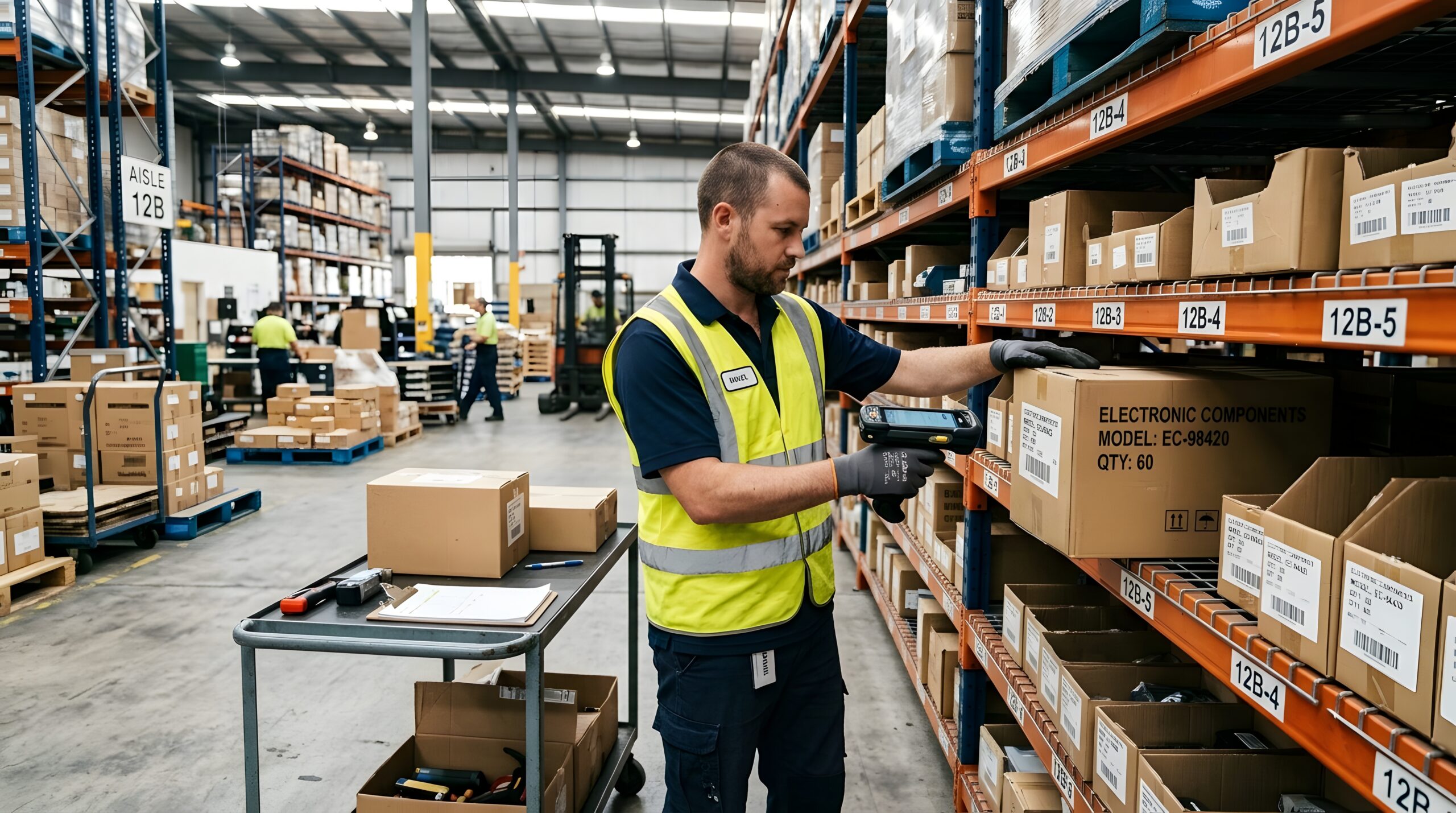
Device flexibility is another important consideration. Different operating environments may require rugged handheld scanners, vehicle-mounted computers, or other mobile devices suited to specific tasks and conditions. Supporting a range of hardware allows organizations to make technology decisions based on operational requirements rather than application limitations.
For organizations expanding mobile capabilities across multiple facilities, a consistent approach doesn’t necessarily mean identical technology at every location. A warehouse with reliable wireless coverage may have different requirements than a manufacturing environment with connectivity gaps or specialized equipment. Establishing common transaction standards while accommodating local operating conditions can help organizations maintain dependable data collection without sacrificing flexibility.
Supporting the Next Phase of Oracle Cloud SCM Modernization
As AI and automation become more deeply integrated into supply chain operations, organizations need technology foundations that can support new capabilities without disrupting established processes.
For Oracle Cloud SCM teams, this means looking beyond immediate mobile application requirements to consider how well their technology can adapt over time. Reliable data capture, direct ERP integration, and an adaptable mobile architecture help organizations build on existing investments while preparing for more advanced analytics and automation.
RFgen supports this evolution by connecting frontline operations with Oracle Cloud SCM through enterprise-grade mobile data collection and supply chain automation software. Working closely with customers to understand their operational requirements, RFgen helps organizations identify the right technologies and workflows for their environments. This combination of technical flexibility and practical expertise helps organizations pursue new capabilities without continually reworking how physical processes connect to their ERP.
Ready to explore what’s next for your Oracle Cloud SCM environment? Talk with an RFgen Oracle expert.