
Supply Chain Trends 2025: What to Watchin the Future of Logistics 2
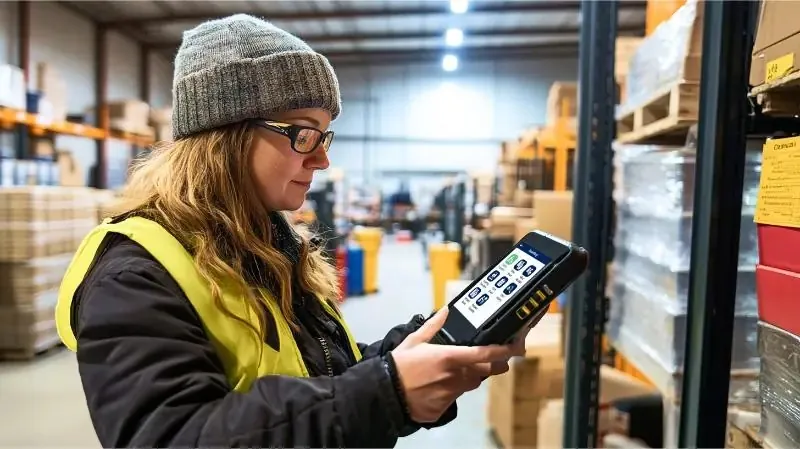
The global supply chain is transforming rapidly. Disruptions like pandemics and geopolitical instability, combined with rising consumer demands for speed and convenience, have reshaped logistics. Rapid technological advancements offer opportunities but require constant adaptation. Therefore, traditional supply chain management is no longer enough; businesses must embrace new strategies to thrive.
This blog post explores the key trends defining the future of logistics in 2025. We’ll examine automation, real-time visibility, sustainability, workforce changes, and localization, providing insights into how these forces are revolutionizing the movement of goods. Prepare your business for the future by understanding these critical trends.
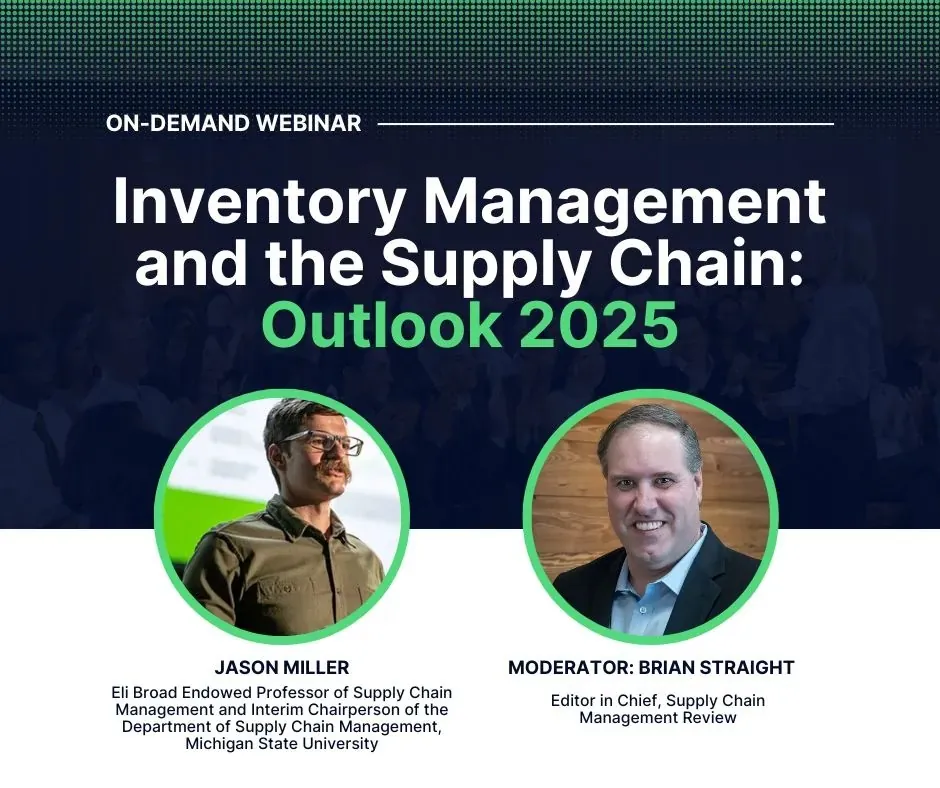
Mastering Inventory in 2025: Key Trends Watch Webinar Now
The supply chain landscape is evolving, and staying ahead is crucial. Watch the on-demand recording of Supply Chain Management Review’s recent webinar, sponsored by RFgen, where Jason Miller from Michigan State University breaks down key trends and strategies shaping inventory management for 2025.
Automation as a Catalyst for Efficiency and Resilience
Fluctuating demand, driven by factors like economic uncertainty and evolving consumer behavior, creates significant challenges for businesses. In a recent webinar, Jason Miller, Eli Broad Endowed Professor of Supply Chain Management at Michigan State University, highlighted this complexity: “Monthly and quarterly inventory reports…group all categories together…Inventories are up. Inventories are down. What should we do? One trend line doesn’t always tell the full story.”
Jason explained the “inventory accelerator” effect, where inventory levels directly correlate with demand fluctuations, creating volatility that requires more dynamic solutions than traditional approaches. He illustrated this with the example of machinery wholesaling, where manufacturers experienced both a boom and a bust due to rapidly shifting demand patterns.
This volatility necessitates increased efficiency and adaptability within the warehouse. Automation is no longer optional; it’s essential for navigating these unpredictable shifts. The Zebra Warehousing Vision Study found that 61% of organizations plan to employ a combination of human labor and automation by 2024, recognizing the value of human expertise alongside the efficiency gains of technology.
Autonomous mobile robots (AMRs) offer a compelling solution since they can increase productivity threefold and deliver ROI within a year. They excel at tasks like picking, packing, material movement, and post-pick transport, streamlining workflows and significantly reducing unproductive walking time. Importantly, automation complements, rather than replaces, the human workforce, helping to reduce operational costs while improving overall efficiency and productivity.
Real-Time Visibility and Data-Driven Decisions
The ability to track goods, monitor inventory levels, and anticipate potential disruptions is crucial for making informed decisions, optimizing operations, and meeting customer expectations. This demand for transparency and control is driving the adoption of technologies that provide real-time insights and enable data-driven decision-making.
The Zebra Warehousing Vision Study highlights this trend, revealing that 77% of decision-makers recognize the need for modernization to achieve real-time operational insights. This understanding is fueled by the recognition that traditional methods of data collection and analysis are no longer sufficient in a world where agility and responsiveness are paramount. Furthermore, the study projects significant growth in the adoption of predictive analytics (36%) and machine learning (33%) by 2024. These technologies leverage the power of data to anticipate future trends, optimize inventory levels, and proactively address potential disruptions.
Several key technologies are enabling this shift towards real-time visibility. The Internet of Things (IoT) and blockchain are playing increasingly important roles in ensuring transparency and traceability. IoT sensors provide real-time data on the location and condition of goods, while blockchain technology creates a secure and immutable record of transactions, enhancing trust and accountability throughout the supply chain.
Wearable technology and RFID tags are also empowering workers with real-time information, enabling faster and more accurate decision-making on the warehouse floor. For instance, wearable devices can provide pickers with optimized routes and real-time inventory updates, streamlining workflows and minimizing errors.
This real-time visibility, powered by advanced analytics, empowers supply chain leaders to adapt quickly to unforeseen challenges. By having access to up-to-the-minute information, businesses can proactively address potential disruptions, optimize inventory levels, improve delivery times, and enhance customer satisfaction.

4 Ways Mobile Barcoding Solves Food Traceability Challenges
Is your inventory management past its expiration date? Download this insight brief to learn how you can automate track-and-trace, enhance traceability compliance, and gain new levels of efficiency and visibility for raw materials, WIP goods, finished products, and more.
Sustainability in Logistics
Growing environmental concerns and increasing consumer demand for eco-conscious practices are pushing sustainable practices to the forefront of supply chain strategies. Businesses are recognizing the need to minimize their environmental footprint while simultaneously improving operational efficiency.
Furthermore, the Zebra Warehousing Vision Study reveals that 94% of North American decision-makers prioritize trailer load optimization, a key strategy for reducing carbon footprints. This focus on maximizing space utilization in transportation not only minimizes fuel consumption and emissions but also contributes to cost savings.
Several initiatives are driving the greening of the supply chain. The adoption of energy-efficient transportation modes, such as electric vehicles and optimized routing algorithms, is gaining traction. Warehousing practices are also becoming greener, with a focus on energy efficiency, waste reduction, and sustainable building materials.
The Zebra Warehousing Vision Study highlights the growing investment in reverse logistics and item-level shipping by 78% of manufacturers. These strategies enable efficient handling of returns and minimize waste through more precise shipping practices.
Aligning sustainability goals with operational efficiency is crucial for long-term success. By embracing eco-friendly practices, businesses can not only reduce their environmental impact but also enhance their brand reputation, attract environmentally conscious consumers, and achieve cost savings through optimized resource utilization. This holistic approach to sustainability will be essential for building resilient and responsible supply chains in 2025 and beyond.
Workforce Evolution in Supply Chain
The rapid advancements in technology and automation within the supply chain are not eliminating jobs; they are transforming them. While concerns about job displacement are understandable, the reality is that these changes are creating new opportunities and requiring a different set of skills. The challenge lies in bridging the skills gap and preparing the workforce for the future of logistics.
Labor shortages remain a significant challenge for supply chains. The Zebra Labor Stats on Robotics Automation report that 60% of warehouses identify labor shortages as a major hurdle. This scarcity of skilled labor is further exacerbated by an aging workforce in many developed countries. This underscores the urgent need to attract and retain talent within the supply chain sector.
The solution lies in upskilling and empowering the existing workforce. Providing training programs that focus on the latest technologies, such as robotics, automation software, and data analytics, is crucial. Offering workers access to automation tools not only increases their value to the company but also enhances their job satisfaction.
Furthermore, leveraging technology to reduce repetitive and physically demanding tasks can improve job satisfaction and attract a new generation of workers. By focusing on upskilling initiatives and creating a more technologically advanced and engaging work environment, businesses can address labor shortages, improve productivity, and build a more resilient and adaptable workforce prepared for the challenges and opportunities of the future supply chain. Striking the right balance between technology and human capabilities will be critical for success in the years to come.

Go deeper: Did you know 74% of companies lacksufficient inventory automation? Download the supplychain guide to learn how total inventory tracking cantransform your business.
Localization and Resilience
Recent years have exposed the vulnerabilities of relying solely on long, complex global supply chains. Disruptions like pandemics, port congestion, and geopolitical instability have highlighted the need for greater resilience and flexibility in response to global trade dynamics. This is driving a significant shift towards localization and regionalization, with businesses seeking to reduce their dependence on global networks and bring their supply chains closer to home.
This move towards sourcing and manufacturing closer to the end consumer offers several advantages, including faster delivery times, reduced transportation costs, and greater control over production processes. Furthermore, the Zebra Warehousing Vision Study projects a 26% increase in average warehouse size in Europe by 2024, indicating the growth of regional supply hubs. This expansion of warehousing capacity closer to key markets allows businesses to hold more inventory strategically and respond more quickly to changes in demand.
This shift in strategy involves significant investments in localized manufacturing and fulfillment centers. By establishing a stronger regional presence, businesses can mitigate the risks associated with global disruptions and improve their responsiveness to local market demands. While cost efficiency has traditionally been a primary driver of supply chain decisions, agility and resilience are becoming increasingly important considerations.
Businesses are recognizing that the long-term benefits of a more localized and resilient supply chain, such as reduced lead times and improved customer satisfaction, outweigh the potential short-term cost increases. This strategic shift towards localization is reshaping global logistics and will be a key factor in determining success in the years to come.
Conclusion: Preparing for the Future of Logistics
The future of logistics is being shaped by a convergence of powerful forces. The key takeaway is that proactive adaptation is essential. Embracing automation within the warehouse, leveraging real-time data for informed decision-making, prioritizing sustainability, investing in workforce upskilling, and building more resilient and localized supply chains are imperative for competitive success.
By understanding these trends and taking proactive steps to implement the strategies and technologies discussed, businesses can not only navigate the challenges ahead but also unlock new opportunities for growth and innovation. The future of logistics is here, and it belongs to those who are prepared.

Jumpstarting Your Digital Transformation Journey in MRO
Managing the complexities of MRO is nothing short of challenging. There are maintenance technicians to direct, labor to allocate, assets to keep track of, spare parts inventory to worry about and supplier networks to maintain. And when equipment breaks down unexpectedly, your manufacturing operation can be hemorrhaging money by the second.
Frequently Asked Questions
The confluence of rapid technological advancements and rising consumer demands is revolutionizing supply chains. Consumers demand faster delivery, personalized experiences, and transparent tracking, while businesses face pressure to optimize costs and improve efficiency. These combined forces are pushing companies to adopt new technologies and strategies to remain competitive.
The confluence of rapid technological advancements and rising consumer demands is revolutionizing supply chains. Consumers demand faster delivery, personalized experiences, and transparent tracking, while businesses face pressure to optimize costs and improve efficiency. These combined forces are pushing companies to adopt new technologies and strategies to remain competitive.