

2026 Supply Chain Trends
Building Resilient, Measurable Operations
Supply chain leaders are investing in automation, AI, and real-time operational data to strengthen resilience and improve performance in an era of constant disruption.
Explore Insights »What’s Changing in Supply Chain Operations
Supply chain leaders are dealing with more disruption, more complexity, and higher expectations than ever before.
76% of organizations report disruptions are occurring more frequently than just three years ago, while 61% say gaps in automation are still limiting operational performance.
To keep pace, organizations need systems and workflows that can adapt quickly, support real-time decision making, and extend beyond the limitations of core ERP platforms.
When these capabilities come together, organizations can:
- Respond faster to disruption
- Improve inventory visibility and accuracy
- Support automation and AI initiatives
- Enable more efficient operations
- Measure performance with greater confidence
Explore the insights and tools below to see how supply chain leaders are preparing their operations for what’s next.
Key Supply Chain Trends for 2026
Supply chain leaders are prioritizing key shifts as they modernize operations and prepare for ongoing disruption.
AI-Driven Decision Making
AI is expanding across forecasting, planning, and operations. Its effectiveness depends on accurate, real-time data from warehouse systems and connected ERP environments.
Real-Time Data as the Foundation
Reliable data capture is critical for visibility, inventory accuracy, and decision-making. Without it, automation and analytics initiatives struggle to deliver consistent results.
Automation with Measurable ROI
Organizations are moving beyond experimentation and prioritizing warehouse automation solutions that clear gains in transaction speed, accuracy, and workforce productivity.
Operational Resilience
With disruptions increasing, teams are investing in more flexible systems that allow them to respond quickly to changing demand, supply interruptions, and operational challenges.
Asset Tracking & Location Intelligence
Technologies like RFID, RTLS, and GPS are improving visibility into inventory and assets across operations, helping teams reduce manual tracking and respond faster to change.
Explore insights from industry leaders and practical tools designed to help teams quantify the value of improving supply chain execution.

Estimate Your Warehouse Automation ROI
Small improvements in warehouse workflows can create meaningful operational and financial impact. Use the RFgen ROI Calculator to estimate potential gains from faster transactions, improved inventory accuracy, and higher workforce productivity.
Try the ROI Calculator →
Why Clean, Real-Time Data Matters
Automation, analytics, and AI all depend on accurate operational data. This article explores why improving data capture at the warehouse level is becoming a critical priority for modern supply chains.


A CEO’s Perspective on Supply Chain Execution
RFgen CEO and Cofounder Rob Brice reflects on decades of supply chain experience and explains why reliable operational data is the foundation for automation, AI, and future supply chain technologies.
Aligning Technology with Real Warehouse Operations
Modern supply chain systems must reflect how work actually gets done on the floor. This human-centered perspective explores how usability, workflow design, and adoption impact accuracy, efficiency, and long-term performance.

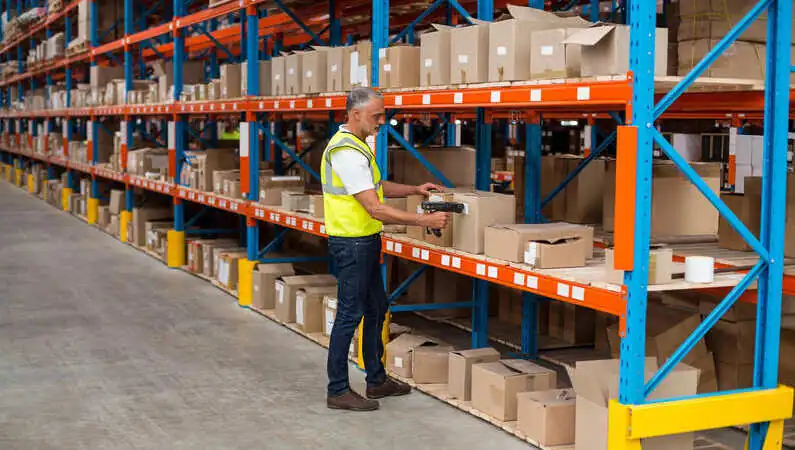
Aligning Technology with Real Warehouse Operations
Modern supply chain systems must reflect how work actually gets done on the floor. This human-centered perspective explores how usability, workflow design, and adoption impact accuracy, efficiency, and long-term performance.
Stay Current on Supply Chain Execution
Get practical insights on warehouse automation, supply chain modernization, and ERP-connected mobility delivered to your inbox.
Subscribe to our RFgen Blog!
Frequently Asked Questions
Key trends shaping supply chain operations in 2026 include AI-driven decision making, warehouse automation, real-time operational data, and systems that extend ERP capabilities to the warehouse floor.
Across these areas, the focus is shifting toward resilience and measurable performance. Organizations are prioritizing execution consistency and data quality to respond more quickly to disruption while improving accuracy and efficiency over time.
Disruptions across global supply chains have increased significantly in recent years, from supplier instability to transportation delays and shifting demand.
To respond effectively, organizations are investing in systems and workflows that enable faster decision-making and operational flexibility at the point of execution. These capabilities help teams identify issues earlier and adjust operations before disruptions impact customers or business performance.
AI is increasingly used to improve forecasting, demand planning, inventory optimization, and operational decision-making.
Its effectiveness depends on accurate operational data. Many organizations are strengthening real-time data capture and workflow consistency across warehouse operations to ensure AI initiatives are built on reliable, structured inputs.
Real-time operational data provides a clear, current view of warehouse activity, inventory movement, and order fulfillment.
This improves decision-making, coordination across systems, and performance measurement. It also supports automation, analytics, and AI initiatives by ensuring they are driven by accurate, up-to-date information.
Real-time visibility allows organizations to monitor inventory, orders, and operational activity as it happens.
When disruptions occur—such as inventory shortages, delays, or workflow bottlenecks—teams can identify the issue faster and adjust operations in real time. This helps reduce downstream impact and maintain consistent service levels.
Warehouse automation improves consistency, reduces manual processes, and increases transaction accuracy.
By strengthening both workflows and data reliability, automation enables organizations to respond more quickly to change, scale operations more effectively, and maintain performance during periods of disruption.
Automation and workflow improvements can deliver measurable benefits such as faster transactions, improved inventory accuracy, reduced manual work, and increased workforce productivity.
ROI calculators and modeling tools help translate these operational improvements into financial outcomes, allowing teams to prioritize initiatives and build a clear business case for investment.
As supply chains grow more complex, organizations need more precise ways to track inventory, assets, and operational activity.
RFID and RTLS technologies enable automated tracking and location visibility, reducing manual processes and improving accuracy. This provides deeper operational insight and supports faster, more informed decision-making.